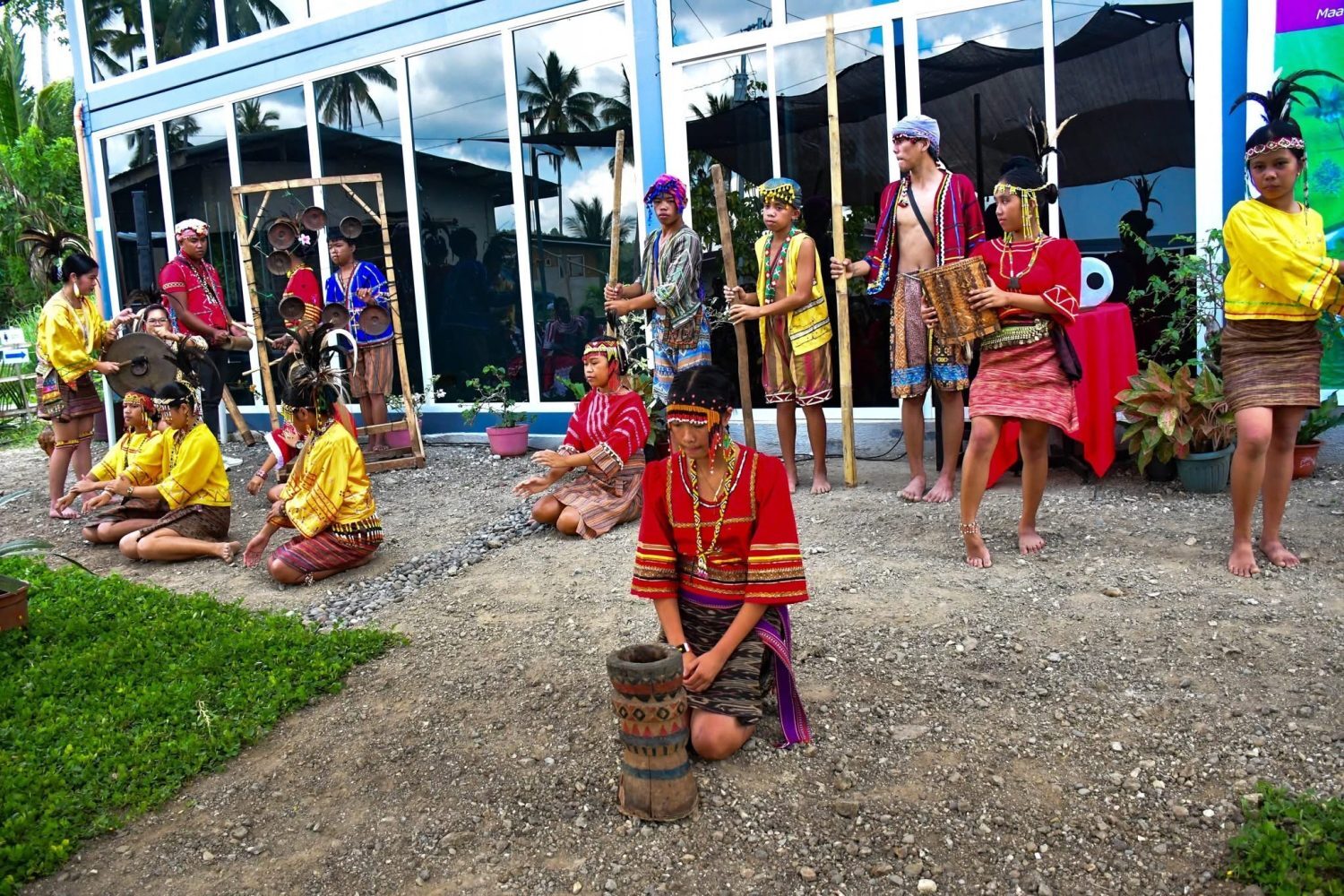
A time of change after two decades of PeaceBuilders Community Inc.
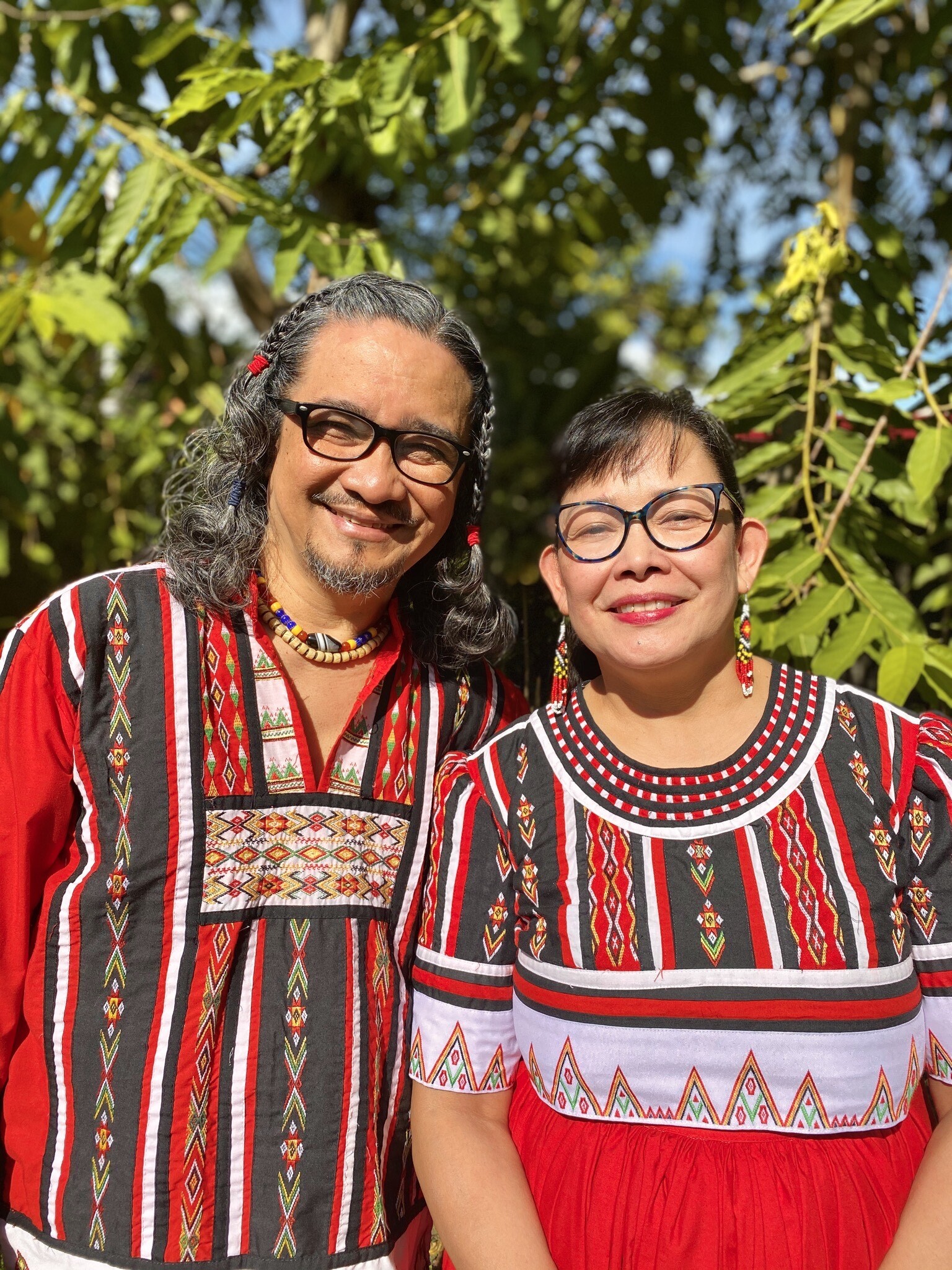
In March 2026, dozens of people gathered together to celebrate PeaceBuilders Community, Inc. (PBCI) and tell stories of Mennonite Church Canada’s Witness workers Lakan and Joji Pantoja as they transitioned from their roles in leadership. This included groups that 20 years ago, when the Pantojas began their ministry, would not have been seen in the same place, much less taking pictures and eating together.   

The idea for PBCI blossomed over two decades ago when Lakan and Joji pivoted from their lives in Canada to return to their childhood country of the Philippines. At the time, there were high levels of violence in the Bangsamoro region on the island of Mindanao, and the Pantajos dreamed of bringing stability to the region. They felt that it was imperative to address the Muslim-Christian conflicts, as well as clashes between government and communist activists which led to uprisings among Indigenous tribes.  

In partnership with Mennonite Church Canada, the interfaith organization Peacebuilders Community Inc. (PBCI) was established in 2006 to share non-violent peace-building and social justice principles. In the years following, a second organization, Coffee for Peace, grew into complimentary social enterprise that works directly with local coffee farmers to ensure a fair return for their product and responsible environmental practices, while maintaining a practice of peace and reconciliation.  

At the gathering in March, stories poured out about the impact PCBI has had in the communities in the region.   
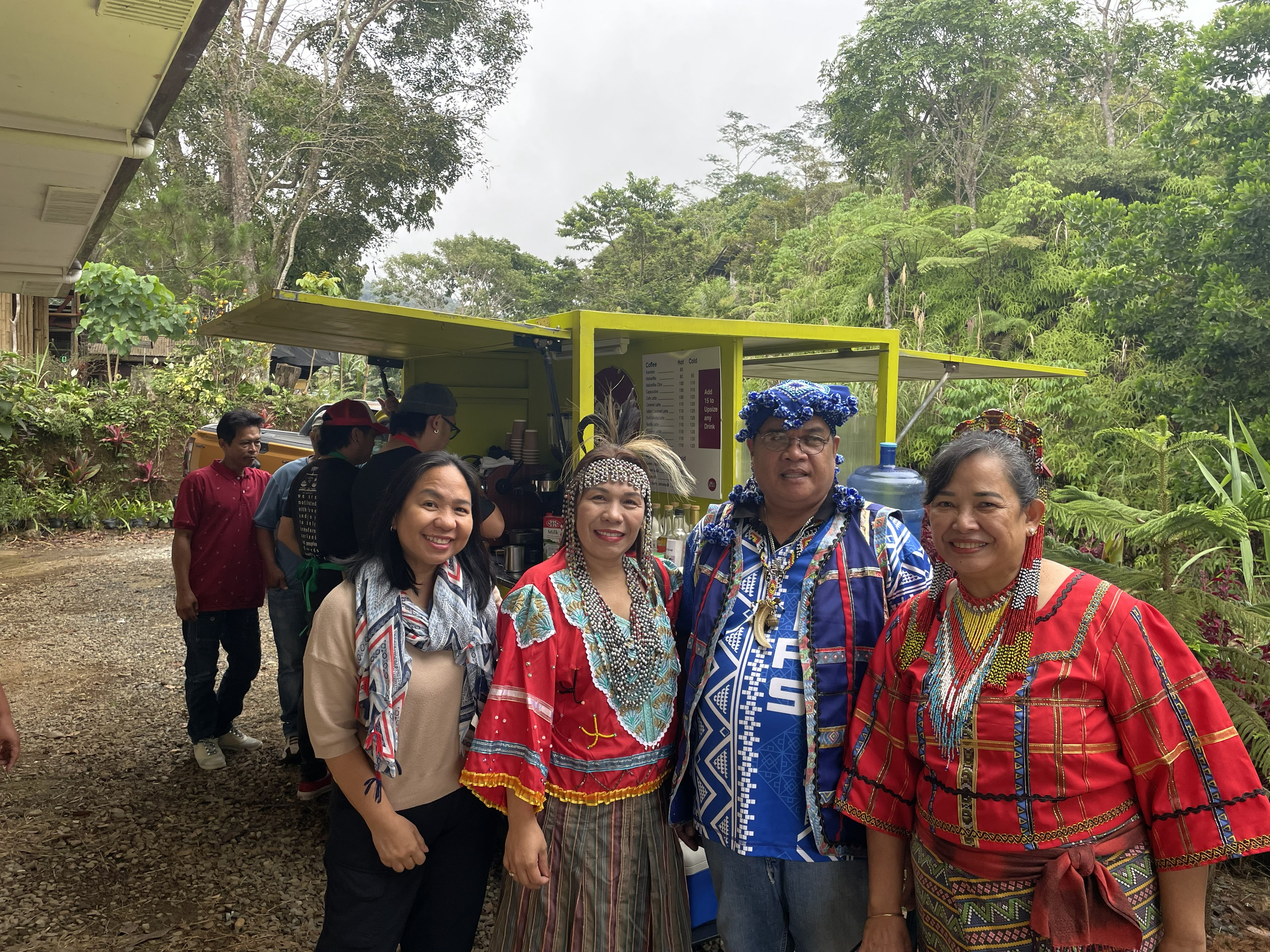
Driving from Cotabato City to join the celebration, Datu Haron Al-Rasheed Baraguir and his wife, Farrah, along with Bai Jehan Baraguir (sister of Datu Haron) of the Maguindanao Sultanate clan shared about their father, the late Datu Kharis Matalam Baraguir. He was known as a true man of peace who personally ensured Lakan’s safety during those formative months in 2005. Datu Kharis’ protection and friendship allowed Lakan to walk freely among the people, learn deeply from their culture, and build genuine relationships.  

Datu Haron remembered the suspicion that they had for Lakan as he first arrived in 2005 and how some of their group in the Moro Islamic Liberation Front thought it best to kill him.  As they watched him interact with people in the community, they realized there was something different about this outsider.  Datu Haron said that Lakan’s love for peace has inspired him to become a better Muslim, as he challenged him to search the Koran and live into his spiritual and cultural teachings of peace.  In the last 20 years these families have been deep friends and co-workers in building a just peace in Mindanao.   

Bai Jerlina Owok, the respected Tribal Chieftain of the Indigenous Bagobo Tagabawa community in Binaton also attended with a group of counsellors from the group.  Through dialogue with the tribal leadership and local farmers, Lakan and Joji explored how peacebuilding, environmental stewardship, and inclusive development could be pursued together. Working together with Bai Jerlina, PBCI and Coffee for Peace have come alongside this community as they revitalized Bagobo Tagabawa cultural identity, advocated for the protection of ancestral lands, promoted sustainable coffee farming and agroforestry, and built bridges between Indigenous communities and external partners.  

Many of the bridges built by PBCI between Indigenous and Muslim groups have connected with the Philippine Council of Evangelical Churches.  The leadership of PCEC, in particular the Peace and Reconciliation Commission, has been active in peace talks with the Moro Islamic Liberation Front for about 15 years ago.  One representative of PCEC, and also a board member of PBCI, Pastor Norman Naromal was part of the festivities.  He has worked with PBCI for more that 10 years.  He talked about the deep friendship that has grown, despite lively theological debates, between him and Lakan.  He says that his relationship with Pantojas and PBCI has changed his reading of the Bible and his practical following of Jesus in daily life.   

These stories, and many others, spoke to the complexity of the work that PBCI has completed, and the vision it has moving forward.  

When asked about the long-term impact of PBCI, Lakan and Joji spoke about the many relationships that had been built into an ever-growing community.  

“It expanded beyond our immediate circle - taking root locally, then provincially, and eventually reaching into national spaces. Looking back, we see more clearly now: the community we were seeking was never meant to be static or limited to a fixed group of people. It was always meant to be dynamic - a shared journey of people being drawn into deeper love, deeper listening, and deeper transformation.” 

They said that their anchor through it all was their peace theology. It is “a way of seeing, living, and engaging the world that holds us steady even as everything else changes. For us, this peace theology is expressed in four interwoven harmoniesHarmony with the Creator, our own being, others, and creation.”  

Their faith is also what has been helping them through the whirlwind of transition. “And so we continue—grateful, sometimes wounded, always learning—trusting that even in the pain of parting and the uncertainty of growth, the Creator is weaving something far greater than we could have built on our own.”  


The growth of PBCI will now be led by Bennette Grace Tenecio, next President and CEO of PBCI, effective April 2026. Lakan named that “We recognize in her the strength, clarity, and courage of one who is ready to soar. She carries within her both the rootedness of our shared journey and the vision to move beyond it.” 

 Bennette is full of energy and hope for the future of PBCI. She said “my vision in PeaceBuilders in this coming year 2026 and onwards as the new CEO of PeaceBuilders is with a heart and a passion to continue what we are doing journeying with the different tribes here in the Philippines, Luzon, Visayas and Mindanao and also partnering with the different churches here in in the Philippines.” She goes on in an interview with Mennonite Church Canada Liaison Worker Norm Dyck to say that she sees the regeneration of communities needing to come from a “youth-centered approach” and the incorporation of young people into the future strategy of PBCI.  

By the end of the gathering in March, it was clear that PBCI had a rich history in stories and transformed lives, and a blossoming future under the guidance of Bennette. While Lakan and Joji will be ending their formal role as Mennonite Church Witness Workers, they will be remaining as important elders in the community. As their final reflection on their work, they said they are filled with gratitude. “Our hearts are grateful to the Creator, to our Mennonite Church Canada family, to our prayer and financial companions. Thank you is an under-statement. We are truly grateful.” 


Learn more about Mennonite Church Canada's work in the Philippines